All Categories
Featured
Building Lasting Authority in 2026
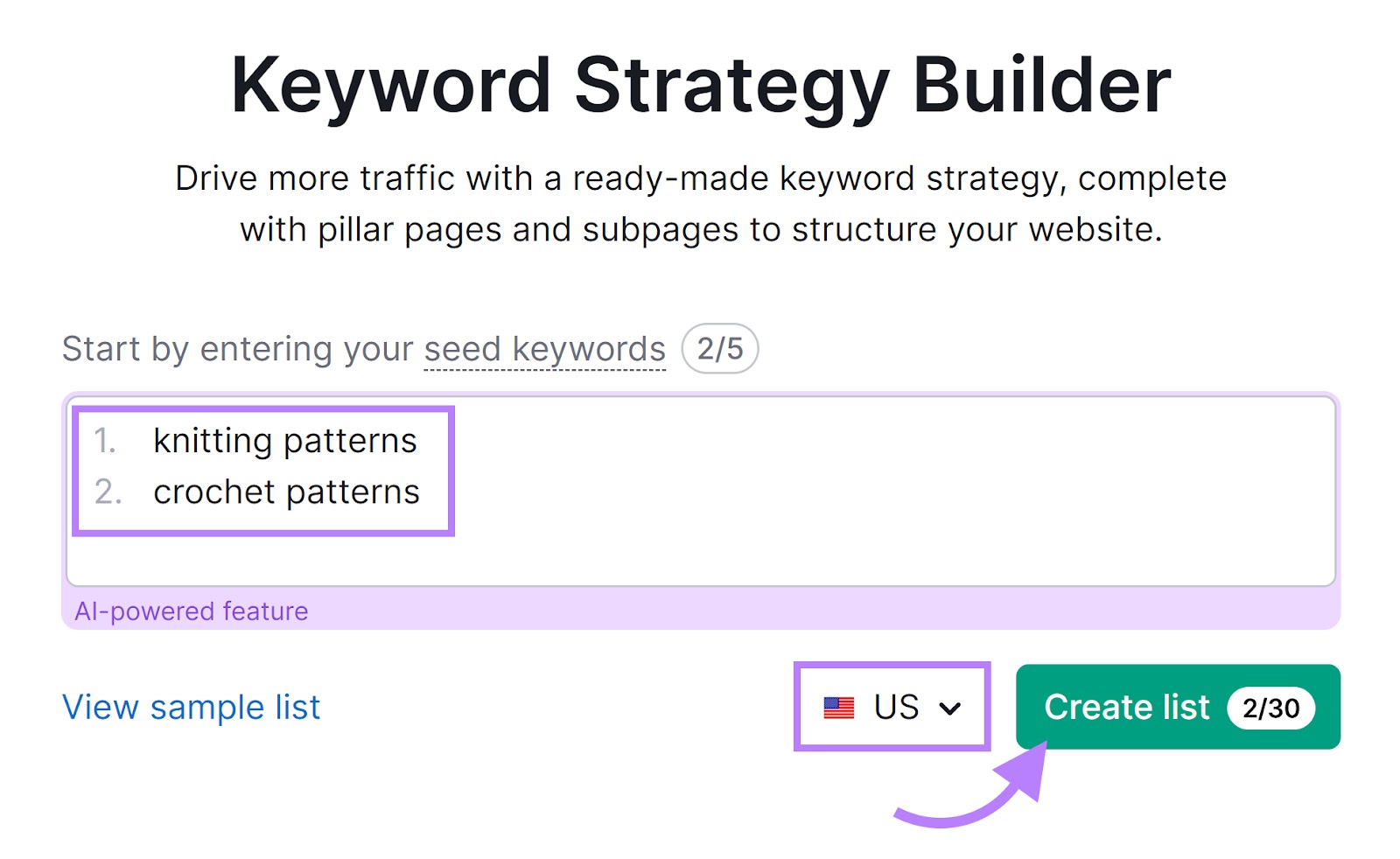
Due to the fact that it lets you provide something your competitors can't match. Like this case study: It assists a broad audience of digital marketing companies by offering insight into the tools and strategies they can use to increase mobile organic traffic. And nobody else can inform this story. Contrary takes on your industry's hot topics Interviews with topic experts Frequently asked concerns (FAQs)that others fail to respond to Initial researchTo ensure your material resonates with potential customers, research study the concerns they may be asking.AlsoAsked is a simple tool for getting quick concepts. Go into a term or concern, choose your region, and struck"."You'll see a tree diagram including concerns that Google users who searched your subject likewise asked: Click any of these to check out additional follow-up concerns and use the most pertinent ones to inspire your content.: Here are some tools that can assist you assess your site's credibility and proficiency in a subject area: Semrush's Topical Authority metric can assist you measure how trustworthiness your site has for specific search terms. Here's how: Think of a keyword that you want your site to rank for and type it into the text bar. Next, include your domain in the "AI-powered feature "bar, select your target location, and click"." There will be a ranking of"Low,"" Moderate, ""Appropriate, "or" High"under the "Topical Authority"label. Getting backlinks reveals trust in your site is growing. Track yours using Semrush Backlinks tool. Type your website's URL into the Backlinks tool. Then, hit"."Near the top of the page, you'll see"Referring Domains"( the variety of domains that point back to your website)and"Backlinks" (the total number of backlinks indicating your website ). You'll see in red or green whether each figure has increased or reduced. Check the report's Authority Score for a basic measure of your site's quality, which is partially based upon a variety of backlink-related aspects.
[target2:anchor_exact1]: The distribution of your referring domains by Authority Scores. Consist of the search engine, gadget, location, and language that you want to track positions for. They must include the search terms that you want to build topical authority around.
To see whether you're building topical authority. Compare your ranking positions before and after the material was released.
Boosting Search Visibility Through AI Authority
If you see positive increases in ranking positions, you're most likely building topical authority in those subject locations. Prioritize structure topical authority with your material to construct unstoppable.
momentum. Google works by identifying and categorizing entities, so if your (individual) brand name is categorized in a pertinent category, you're one action closer to becoming a topical authority.
There are also good factors that Google looks at the material and authorship when determining topical authority: Topical authority is not a new principle. It's comprised of one or more authority signature entries. The patent keeps in mind that the goal is "to identify users with know-how in particular topics." The patent likewise explores the possibility of how a series of files can contribute to the" Authority Signature Value"of their author. The authority signature value builds up the author's weighted authorship on a subject throughout several documents they have actually authored. It's still exposing to know that Google has actually been giving this "authorship "data quite some thought for a long time. Searching Google will assist you comprehend topical authority even much better. From Understanding Panels to additional sections like"Articles"and "About, "you'll have a much better concept of topical authority with the results standing for branded searches: Google's brand-driven image search is also valuable in comprehending how Google categorizes any brand: Now, let's get to some actionable pointers here( I hope you came down here to find it, but all the dull things above is crucial to comprehend what we require to do to construct topical authority). Enough for you to have time and resources to format it well, surface it efficientlyon your website, and market it efficiently to get other essential signals(like links and engagements). This sounds old, but it remains crucial. From everything I mentioned above, it's apparent that Google designates topical authority based upon the authoritativeness of the resource. Don't make it about quantity, however. Concentrate on well-known reliable resources. If Google understands one thing well it's entities and how these are linked. Being pointed out by other entities implies ending up being part of Google's Knowledge base, that is, its map of the world. This isn't a simple process. You'll need to take a couple of actions, including: Get nominated and win industry awards. Write for popular market publications(this is what I am doing here, for example )Take part in interviews(appearing in podcasts is likewise terrific ). Get prominent publications to mention your material (invest in top quality journalistic outreach ). Become part of expert companies(and mention that on your website ). Whatever you do will eventually-straight or indirectly -help you establish yourself as a topical authority. All of these will contribute to your ending up being an entity, one step at a time. Schema assists Google connect all the dots. Google supports simply a few schema types but it discusses many times:"Surpass those."Usage Schema to connect to your official channels, markup your authorship, and include your areas of expertise. Start by establishing a to tell Google a bit more about your brand name and knowledge.

Latest Posts

Top-Tier Optimization Platforms for 2026
Leveraging AI for Topical Authority in the US
Machine Learning Influence On 2026 Ranking Systems