All Categories
Featured
Evaluating SEO Growth in 2026
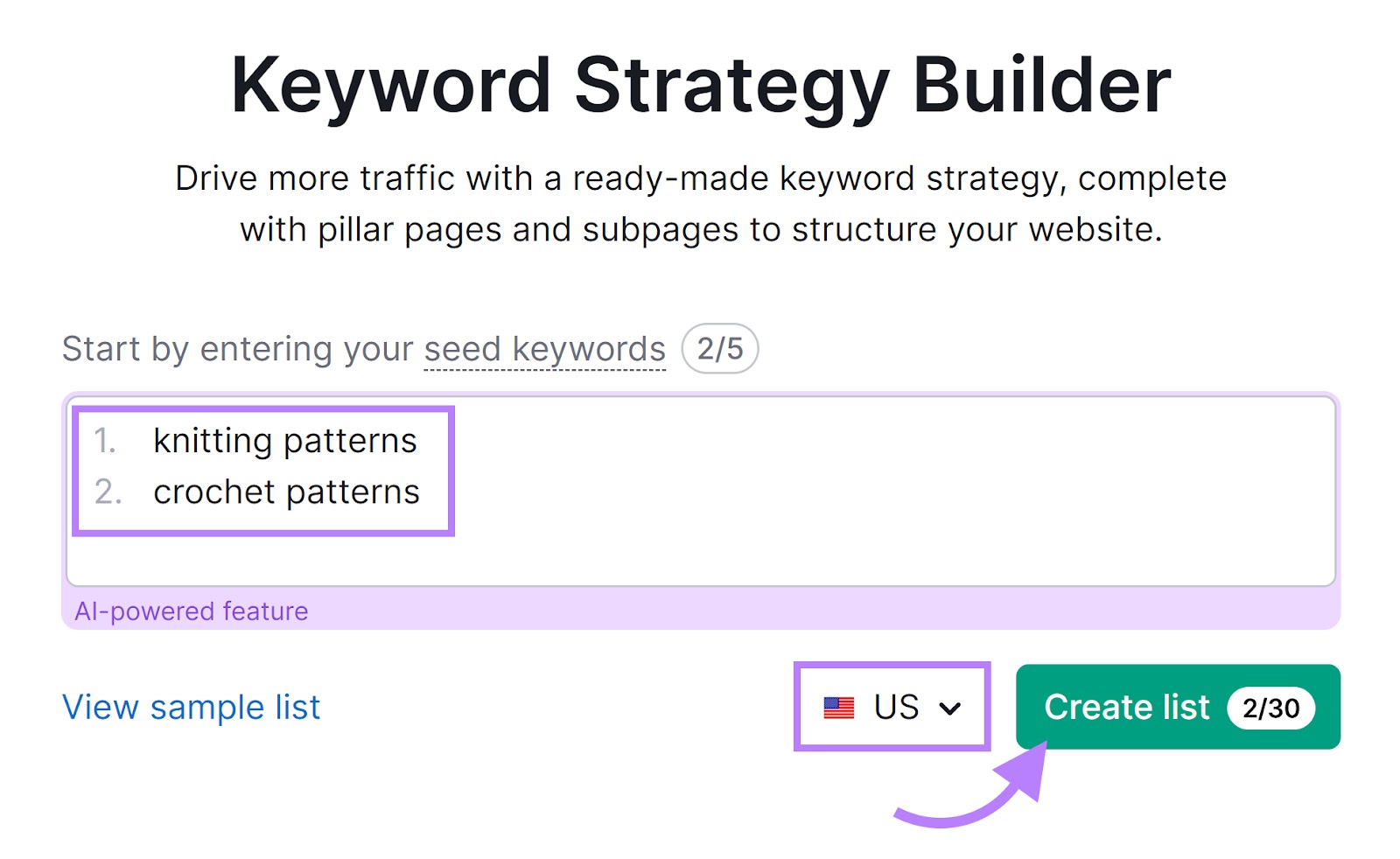
"You'll see a tree diagram including questions that Google users who browsed your topic also asked: Click on any of these to check out further follow-up questions and use the most appropriate ones to inspire your content.: Here are some tools that can assist you determine your site's dependability and competence in a subject location: Semrush's Topical Authority metric can assist you determine how trustworthiness your site has for particular search terms." There will be a rating of"Low,"" Moderate, ""Pertinent, "or" High"under the "Topical Authority"label."Near the top of the page, you'll see"Referring Domains"( the number of domains that point back to your website)and"Backlinks" (the total number of backlinks pointing to your website ).
[target1:anchor_exact1]You can also check domain authority with our totally free site authority checker. The complete Backlinks report likewise contains a wealth of useful information, like: "": The primary subject areas of the sites connecting to yours." ": The leading anchor text of your backlinks. Google uses anchor text to understand what your web pages have to do with."": The circulation of your referring domains by Authority Scores. Backlinks from more reliable sites are generally better ."": How backlink appears on the page(image, text, and so on). Text backlinks are usually better for SEO. Monitor your positions for target keywords. If you're acquiring exposure for a few related terms, it might be a sign you're building trust around that topic. Semrush's Position Tracking tool makes tracking your ranking positions for keywords easy. Enter your domain and click"." Next, configure your settings. Include the search engine, device, location, and language that you want to track positions for. They must consist of the search terms that you desire to develop topical authority around. And click"."Select whether you wish to get weekly e-mail updates on your keyword positions. Then, click "."After opening the report, you'll arrive at the"Landscape" tab.
To see whether you're constructing topical authority. Compare your ranking positions before and after the material was published.
Optimizing Your Digital Content Strategy
If you see favorable increases in ranking positions, you're most likely building topical authority in those topic locations. Log in to Google Analytics( GA4 )to see whether gos to are up or downFrom the dashboard, click ""in the leading left corner. Go to "" >""> "."There, you'll see a breakdown of your traffic by channel. Look at the" Organic Browse "row and compare the information to what you saw from the previous duration. Prioritize structure topical authority with your content to construct unstoppable.
momentum. And use Semrush's AI-powered keyword tools to get a better understanding of your website's topical authority for your target search terms. So you can pursue the right terms to enhance your reliability. Take a look at the tools listed in this post with a complimentary trial. If you've remained in SEO enough time, you know that Google has actually been attempting to determine real proficiency behind web files for many years. From the failed "Authorship"project to its E-E-A-T standards, we have lots of proof of that fight. This is where the term" "stems from, and here's what you require to learn about it: As the term recommends, topical authority means the go-to resource for or a popular professional on (or both)a specific topic . I tend to think it's both due to the fact that one can reinforce the other. Google works by identifying and classifying entities, so if your (personal) brand is classified in a pertinent category, you're one action more detailed to becoming a topical authority. To show this point, this is the requirements uses to recognize and translate topical authority for each story:" How noteworthy a source is for a subject or area "(This is the entity classification)."... a source's history of high-quality reporting, or suggestions from expert sources, such as professional societies [and] journalistic awards"(These are recommendations from other connections from other entities Google learns about).

There are also great reasons that Google looks at the material and authorship when recognizing topical authority: Topical authority is not a new principle. It's comprised of several authority signature entries. The patent notes that the objective is "to figure out users with proficiency in specific subjects." The patent also checks out the possibility of how a series of documents can add to the" Authority Signature Value"of their author. The authority signature worth collects the author's weighted authorship on a topic across several files they have actually authored. It's still exposing to know that Google has been providing this "authorship "data quite some thought for a long time. Searching Google will assist you comprehend topical authority even better. From Understanding Panels to extra areas like"Articles"and "About, "you'll have a much better concept of topical authority with the outcomes appearing for top quality searches: Google's brand-driven image search is likewise practical in understanding how Google classifies any brand name: Now, let's get to some actionable pointers here( I hope you came down here to find it, but all the uninteresting stuff above is very important to comprehend what we need to do to construct topical authority). Enough for you to have time and resources to format it well, surface area it efficientlyon your website, and market it efficiently to acquire other essential signals(like links and engagements). This sounds old, however it stays crucial. From everything I cited above, it's apparent that Google appoints topical authority based upon the authoritativeness of the resource. Do not make it about quantity. Focus on well-known authoritative resources. If Google comprehends one thing well it's entities and how these are linked. Being pointed out by other entities indicates entering into Google's Knowledge base, that is, its map of the world. This isn't a simple process. You'll require to take a few steps, including: Get nominated and win market awards. Write for well-known industry publications(this is what I am doing here, for example )Take part in interviews(appearing in podcasts is also excellent ). Get popular publications to cite your material (invest in high-quality journalistic outreach ). End up being part of professional organizations(and mention that on your site ). Whatever you do will ultimately-directly or indirectly -help you establish yourself as a topical authority. All of these will contribute to your becoming an entity, one step at a time. Schema helps Google link all the dots. Google supports just a couple of schema types but it points out lots of times:"Exceed those."Use Schema to connect to your official channels, markup your authorship, and include your areas of competence. Start by setting up a to inform Google a bit more about your brand and proficiency.

Latest Posts

Top-Tier Optimization Platforms for 2026
Leveraging AI for Topical Authority in the US
Machine Learning Influence On 2026 Ranking Systems