All Categories
Featured
Mastering Your Future Content Systems
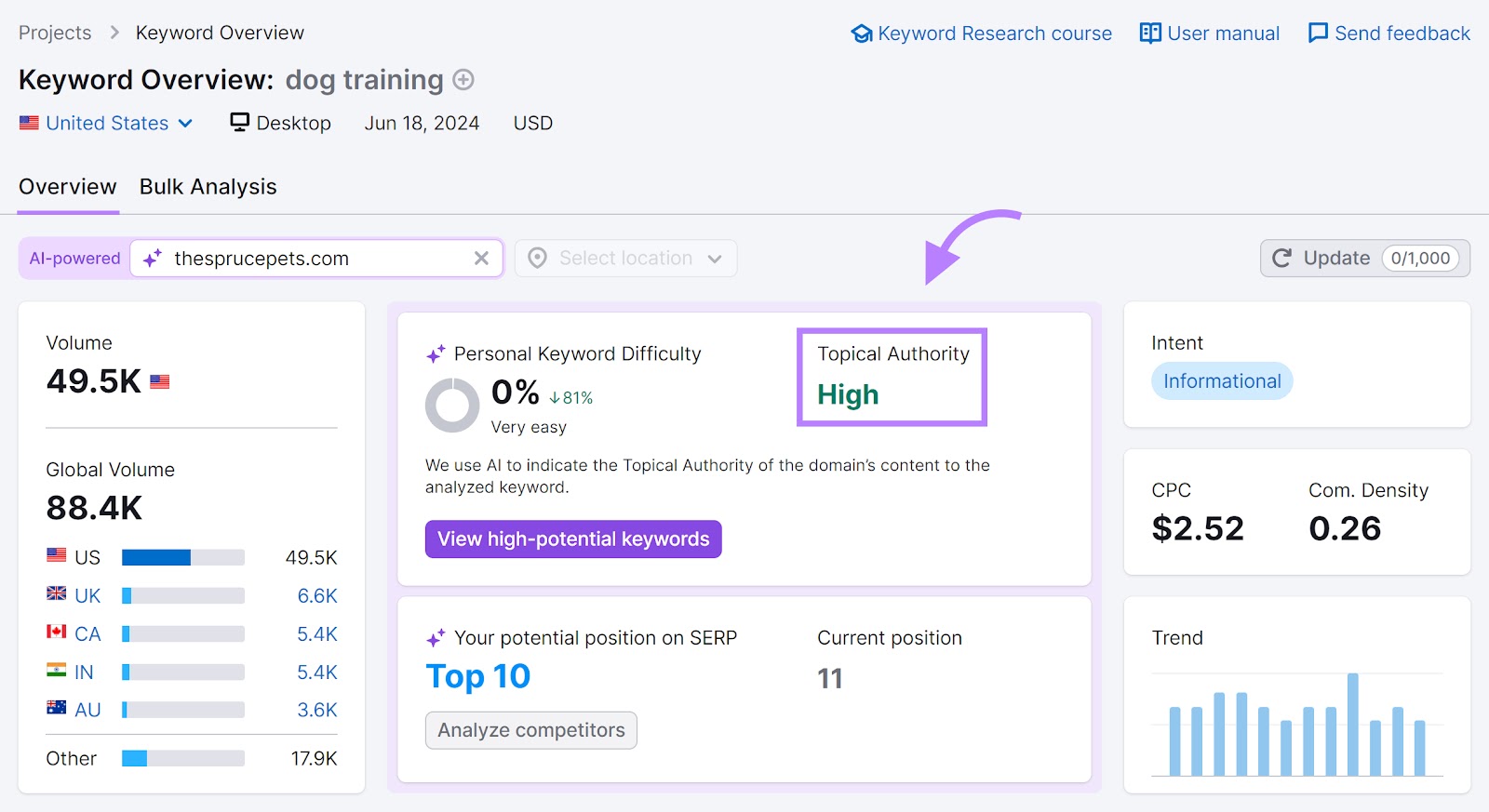
describes being a go-to resource or expert on a specific subject. It can apply to a site's expertise on a topic or a person's knowledge. Google has actually long tried identifying topical authorities through initiatives like authorship markup and patents on calculating "authority signature values. "Topical authority effects things like Google's knowledge panels, search engine result rankings, and brand-driven searches. The more reliable material associated with a brand name, the greater the topical authority. Are you interested in finding out about topical authority to enhance your search engine rankings? While it might at first seem complex, nailing topical authority substantially boosts your site's efficiency. Essentially, it involves developing your website as a trusted resource on particular topics. When you accomplish this, search engines like Google are more likely to rank your site greater. These are the points we'll cover: ExactMetrics is the finest WordPress Analytics plugin. Get it totally free! Topical authority implies positioning yourself as a professional in a specific discipline. When your website provides thorough and valuable information on a specific subject, online search engine view it as a trustworthy source, which assists your website rank much better in search results. By sharing in-depth posts on various cleaning methods, ideas for tackling various kinds of spots, seasonal cleansing suggestions, and options for common household cleansing issues, your website can become a favored destination for cleaning enthusiasts. Search engines recognize that your website completely covers various cleansing subjects, which causes greater rankings when users look for associated details. This is especially advantageous if you run a little business or site. Even websites with low Domain Authority (DA)can.

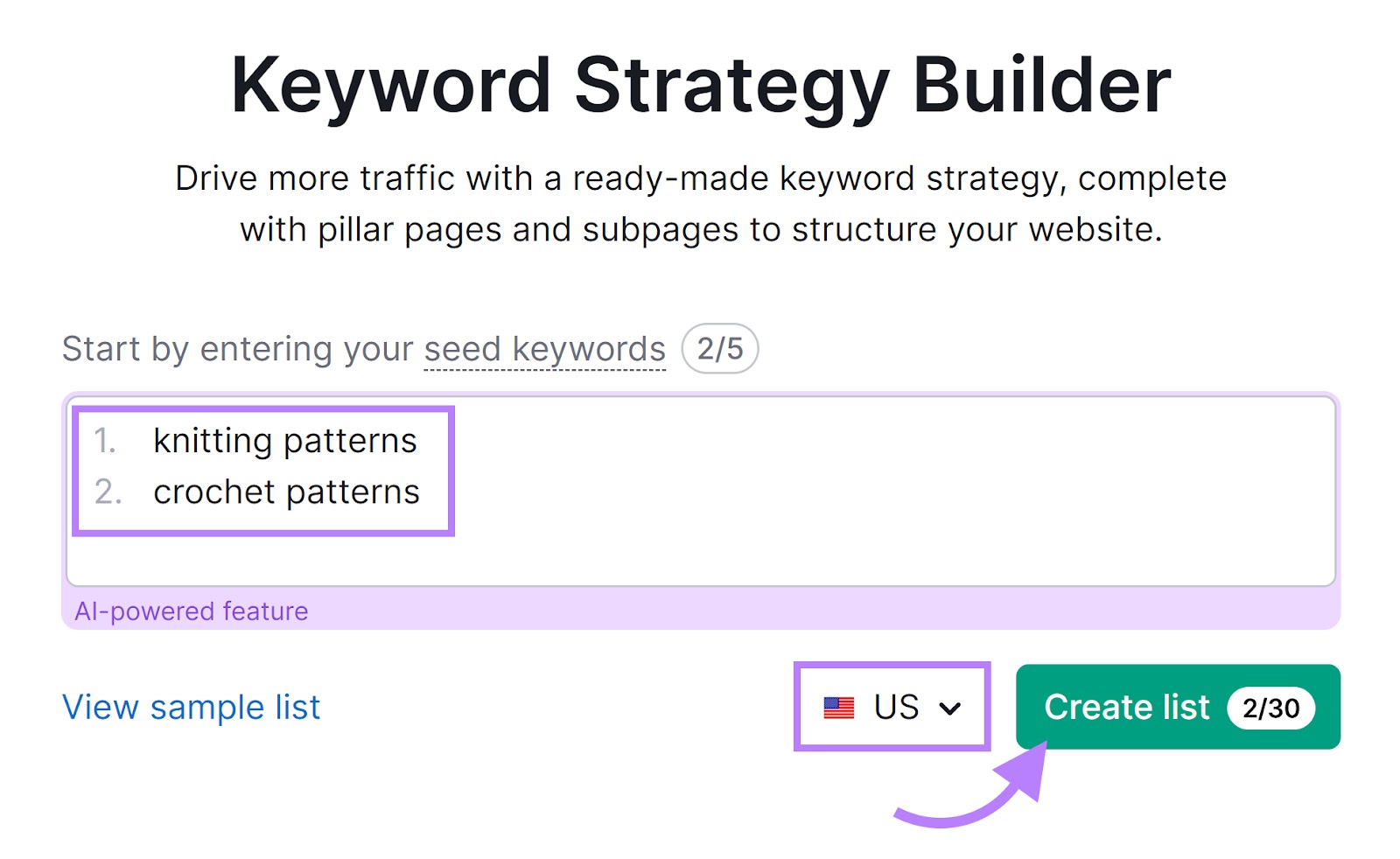
outshine those with greater DA if they master topical authority. For instance, a little cooking blog providing comprehensive dishes, cooking pointers, and dietary recommendations can outrank a larger site with only standard dishes. If your content is useful and appealing, visitors will stay on your website longer, showing to search engines that your site holds worth. Next, let's explore how Google ranks sites and their most recent updates. Google utilizes numerous criteria to identify your site's ranking. Factors such as premium material, quick loading speeds, mobile friendliness, and a general positive user experience play pivotal roles. One considerable element to consider is Google's newest helpful material updates. These updates are created to stress content that works, informative, and directly appropriate to users 'search queries. If your content fulfills these criteria and genuinely assists users, it is more likely to attain a higher ranking. E-A-T, which represents,, and, is another important ranking element. Here's what we'll cover: Carrying out keyword research study is fundamental to developing topical authority. Before writing material, it's essential to comprehend what your audience is browsing for. Initially, consider your audience's interests. What concerns do they have? What information are they looking for? Your objective is to provide comprehensive protection of all this. This is a broad term that encapsulates your entire subject. For instance, if your subject is"home exercises, "an excellent seed keyword might be "novice workout regimens. " Avoid terms that are too generic, like"fitness, "or excessively specific, like"yoga postures for lower neck and back pain."After selecting a seed keyword, expand your list of related subjects. Enter your broad topic. Look at the suggested filters. These frequently offer related concepts worth checking out. See what takes place when you type in"baking dishes"Why not consider focusing on simple or no-bake cake dishes with few ingredients? You can even do a seasonal series for summer, winter season, and fall or" Fun Halloween Cake Recipes. "For more thorough keyword research study, we suggestutilizing a tool like Semrush . Additionally, examine the posts that rank well for your picked keywords. Research study these top-level short articles to comprehend what they cover, how they structure their material, and how they use headings. This insight reveals what both Google and users anticipate when looking for these terms. By examining these effective posts, you can produce material that fulfills or exceeds these requirements, thereby building your topical authority in the eyes of online search engine. To establish strong topical authority, you must create a content cluster. This involves establishing a mix of pillar posts(also referred to as cornerstone material )and supporting posts that are interlinked. These are extensive, extensive pieces that cover a broad topic extensive. They serve as the central hubs of your material cluster. In the realm of personal finance, supporting short articles could include "How to Produce a Budget plan,""Comprehending Credit Ratings, "and"Tips for Conserving Money. " Have a look at our detailed tutorial on Foundation Content for SEO: What It Is & How to Create It for more insights. Organizing your material into clusters leads to a well-structured, interconnected details web. The number of short articles do you have to compose to develop an authoritative content cluster? There's no fixed number, but an excellent sign is when your brand-new content on a subject starts ranking quickly. That's an indication you have actually developed topical authority. Protecting backlinks is among the most difficult aspects of SEO. However, there are efficient approaches to get premium backlinks. Here are some actionable pointers: Write articles for other blogs and sites within your specific niche. This helps you tap into a broader audience and gets you important backlinks. The most organic way to obtain backlinks is by creating content that others wish to link to.
[target2:anchor_exact1]This might draw in more attention and make you a great backlink in the future.
Is Your Company Ready for Automated Search?
This improves user engagement and helps browse engines understand the structure and hierarchy of your material. When creating internal links, make use of descriptive anchor text that informs the reader about the content they will discover when clicking the link. Rather of interlinking with the word "here," describe what you're linking to, such as our post on "composing a killer heading." Online search engine detect the anchor text of your links and use it to comprehend your content and website's structure.
While it may be appealing to link everything on your website, it is very important to stay focused. Connecting to unimportant pages can puzzle your visitors and provide a bad user experience. For WordPress users, explore our guide on How to Utilize WordPress Internal Hyperlinks for SEO. In addition, we advise utilizing the All in One SEO (AIOSEO) plugin to help with on-page SEO and internal connecting.

Latest Posts

Top-Tier Optimization Platforms for 2026
Leveraging AI for Topical Authority in the US
Machine Learning Influence On 2026 Ranking Systems